Discover the Beauty of Huntsville Typography Book Cover
When it comes to design, the right visual elements can make all the difference. One such element that has been gaining popularity among creators and professionals is the Huntsville Typography Book Cover. This unique design not only enhances the aesthetic appeal of a book but also serves as a powerful tool for branding and storytelling. Whether you're an independent author, a publisher, or a designer looking for inspiration, understanding the potential of this typography style can elevate your creative projects.
The Essence of Huntsville Typography
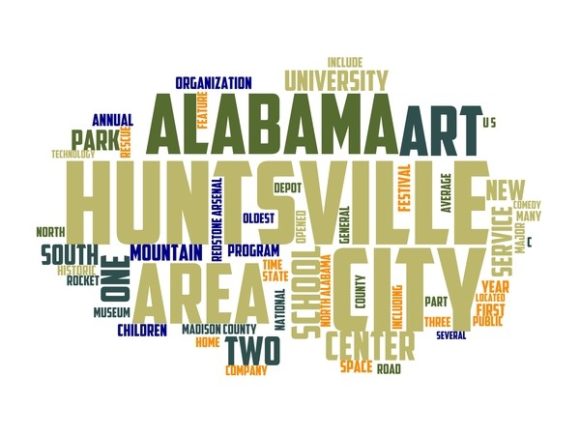
The Huntsville Typography Book Cover is more than just a cover—it's a statement. It combines clean lines, bold typography, and a minimalist approach to create a visually striking design. This style draws inspiration from modern design principles, emphasizing clarity, simplicity, and impact. The result is a book cover that stands out on the shelf while maintaining a sense of elegance and professionalism.
What sets the Huntsville Typography Book Cover apart is its versatility. It works well with a variety of genres, from fiction to non-fiction, and can be adapted to suit different themes and tones. Its clean layout allows for easy readability, making it ideal for both digital and print formats.
Design Features That Make It Stand Out
The Huntsville Typography Book Cover is characterized by several key features that contribute to its effectiveness:
- Clean Layout: The design avoids clutter, focusing instead on essential elements like the title and author name.
- Bold Typography: The use of strong, readable fonts ensures that the title is immediately noticeable.
- Minimalist Aesthetic: With its emphasis on simplicity, the design feels modern and timeless.
- Color Coordination: The color scheme is carefully chosen to complement the content and evoke the right emotional response.
- Visual Hierarchy: Elements are arranged in a way that guides the viewer’s eye from the title to the author and then to the overall design.
These features work together to create a cohesive and impactful design that resonates with readers and enhances the overall reading experience.
Where Can You Use the Huntsville Typography Book Cover?
The Huntsville Typography Book Cover is not limited to just book covers. Its clean and modern design makes it suitable for a wide range of applications:
- Book Covers: Ideal for novels, memoirs, and other literary works.
- Posters: Great for events, promotions, and art exhibitions.
- Invitations: Perfect for weddings, birthdays, and corporate events.
- Business Cards: Offers a professional and stylish look for branding.
- Logos: Suitable for startups and small businesses looking to establish a strong visual identity.
- Printables: Can be used for calendars, planners, and other stationery items.
- Online Content: Works well for social media graphics, website banners, and digital marketing materials.
Whether you're designing for print or digital platforms, the Huntsville Typography Book Cover provides a versatile and adaptable solution that meets a variety of needs.
Who Benefits from the Huntsville Typography Book Cover?
The Huntsville Typography Book Cover is beneficial for a wide audience, including:
- Authors: Looking to create a compelling and professional-looking book cover.
- Publishers: Seeking to differentiate their titles in a competitive market.
- Designers: Wanting to explore new design trends and techniques.
- Entrepreneurs: Building a brand identity through consistent and impactful visuals.
- Students: Creating project materials, presentations, and academic resources.
- Artists: Exploring typography as a form of artistic expression.
By using the Huntsville Typography Book Cover, these individuals and organizations can enhance their visual communication and make a stronger impression on their audience.
Real-World Applications and Examples
To better understand how the Huntsville Typography Book Cover can be applied, let's look at some real-world scenarios:
Scenario 1: Fiction Novel Cover
A fantasy novel titled "The Journey of the Lost" uses the Huntsville Typography Book Cover to highlight its adventurous theme. The clean layout and bold title draw attention, while the minimalist design reflects the story's focus on self-discovery and exploration.
Scenario 2: Business Card Design
A local graphic design studio creates business cards using the Huntsville Typography Book Cover style. The simple yet elegant design helps convey professionalism and creativity, making the cards stand out in a crowded market.
Scenario 3: Event Invitation
A music festival uses the Huntsville Typography Book Cover for its event invitations. The design captures the essence of the event with a clear and engaging layout that invites attendees to experience the music.
These examples demonstrate the adaptability and effectiveness of the Huntsville Typography Book Cover across various contexts and industries.
Considerations and Limitations
While the Huntsville Typography Book Cover offers many benefits, it's important to consider its limitations and suitability for different projects:
- Readability: The minimalist approach may sometimes reduce the amount of information displayed, so it's crucial to ensure that all necessary details are included.
- Flexibility: While the design is versatile, it may require customization to fit specific content or branding needs.
- Target Audience: The design may not be suitable for all audiences, especially those who prefer more decorative or traditional styles.
- Technical Requirements: Proper file formats and resolution are essential to maintain quality when printing or displaying the design digitally.
By understanding these considerations, users can make informed decisions about whether the Huntsville Typography Book Cover is the right choice for their project.
Evaluating Suitability for Your Needs
Before implementing the Huntsville Typography Book Cover, it's important to evaluate whether it aligns with your specific goals and requirements:
- Define Your Purpose: Determine what you want to achieve with the design—whether it's to attract attention, convey a message, or build brand identity.
- Understand Your Audience: Consider the preferences and expectations of your target audience to ensure the design resonates with them.
- Assess Your Resources: Evaluate the tools, time, and expertise available to you for creating or customizing the design.
- Test the Design: Create a prototype or mockup to see how the design performs in different contexts and formats.
- Seek Feedback: Gather input from others to identify any potential issues or improvements.
By following these steps, you can effectively determine if the Huntsville Typography Book Cover is the best fit for your project and make adjustments as needed.