Funeral Furnisher Typography Tie Dye
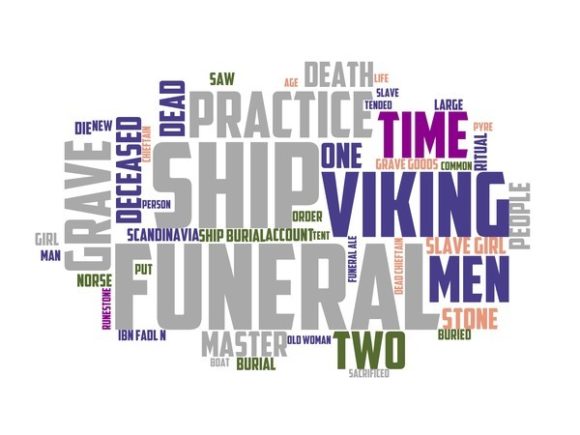
The Funeral Furnisher Typography Tie Dye is a unique and visually striking design element that blends the art of typography with the vibrant, unpredictable beauty of tie-dye. This creative resource offers a hand-drawn, colorful wordcloud that can be used across a wide range of applications—from crafting to branding. Its aesthetic is both modern and nostalgic, making it an ideal choice for those looking to add a personal touch to their projects.
At its core, the Funeral Furnisher Typography Tie Dye is more than just a decorative asset; it's a versatile tool that can enhance the visual appeal of various creative outputs. Whether you're designing promotional materials, creating custom products, or developing digital content, this design can serve as a powerful focal point that draws attention and evokes emotion.
Where It Fits in the Creative Process
The Funeral Furnisher Typography Tie Dye can be integrated at multiple stages of a creative workflow. Before starting a project, it can act as a source of inspiration, helping to set the tone and direction. During the execution phase, it can be used to reinforce brand identity or create eye-catching visuals that stand out in a crowded market. After the project is complete, it can be repurposed for marketing, social media, or as part of a broader brand narrative.
Its adaptability makes it a valuable asset in any creative toolkit. For instance, when designing a new product line, the Funeral Furnisher Typography Tie Dye can be used on packaging, tags, and promotional materials to maintain consistency and build recognition. In a digital context, it can be incorporated into website banners, email templates, or social media graphics to enhance engagement and visual appeal.
Applications Across Industries
The versatility of the Funeral Furnisher Typography Tie Dye means it can be applied across a variety of industries and use cases. Here are some practical examples:
- Marketing and Branding: Use the design to create logos, business cards, and branded merchandise that reflect a cohesive and memorable brand image.
- Education and Publishing: Incorporate it into lesson plans, study guides, and educational materials to make learning more engaging and visually stimulating.
- Home Décor and Textile Design: Apply the design to pillows, wall art, and fabric prints to bring a fresh, artistic touch to interior spaces.
- Personal Projects: Use it in scrapbooking, journaling, or DIY crafts to express creativity and personalize your work.
- Business and Entrepreneurship: Utilize the design in presentations, pitch decks, and promotional materials to capture attention and convey key messages effectively.
By integrating the Funeral Furnisher Typography Tie Dye into different aspects of a project, creators can elevate the overall quality and impact of their work while maintaining a consistent and recognizable style.
Integration with Other Tools and Resources
The Funeral Furnisher Typography Tie Dye works well with a variety of tools and platforms, making it easy to incorporate into existing workflows. Digital design software such as Adobe Illustrator, Canva, and Photoshop offer features that allow for seamless integration of the design into larger compositions. Additionally, print-on-demand services and online marketplaces provide opportunities to scale the use of the design across multiple products and formats.
For those working in a team environment, collaboration tools like Google Drive and Slack can help streamline the process of sharing and implementing the design. These platforms enable real-time feedback and adjustments, ensuring that the final output aligns with the intended vision and goals.
When using the Funeral Furnisher Typography Tie Dye, it's important to consider compatibility with different file formats and resolution requirements. Ensuring that the design is scalable and high-quality will help maintain its visual integrity across various mediums and applications.
Practical Tips for Implementation
Successfully integrating the Funeral Furnisher Typography Tie Dye into your workflow requires careful planning and execution. Here are some practical tips to help you get started:
- Define Your Purpose: Clearly outline how and why you want to use the design. This will help guide your decisions and ensure that the final outcome meets your objectives.
- Plan Your Workflow: Consider how the design will fit into your existing processes. Will it be used as a standalone element or part of a larger composition? Mapping out your steps in advance can help streamline the implementation process.
- Test and Refine: Experiment with different layouts and placements to see how the design interacts with other elements. Make adjustments based on feedback and results to achieve the best possible outcome.
- Ensure Consistency: Maintain a cohesive look and feel across all applications of the design. This will help reinforce brand identity and create a more polished final product.
- Document Your Process: Keep track of your decisions and iterations. This documentation can serve as a reference for future projects and help improve your workflow over time.
By following these steps, you can effectively integrate the Funeral Furnisher Typography Tie Dye into your creative process and maximize its potential for impact and utility.
Long-Term Use and Adaptation
The Funeral Furnisher Typography Tie Dye is not just a one-time use item—it can be adapted and repurposed over time to suit evolving needs and trends. As your creative projects grow and change, the design can be modified or reimagined to stay relevant and effective.
For long-term use, it's important to consider factors such as scalability, flexibility, and sustainability. Ensuring that the design can be easily adjusted and updated will help maintain its value and relevance in your workflow. Additionally, keeping a record of how the design has been used in the past can provide insights into its effectiveness and guide future decisions.
Ultimately, the Funeral Furnisher Typography Tie Dye is a powerful tool that can enhance the visual and emotional impact of your work. By understanding its strengths and limitations, and by integrating it thoughtfully into your creative process, you can unlock its full potential and create meaningful, lasting results.